Flix, Nox, Westbahn, Luna, Regiojet, Grand Central, Lumo, Regiobahn, Hull Trains. Spot the odd one out! As timetable producers, we have to keep an eye on the ever more complex network of operators in Europe. Open-access schemes have - over the last 15-20 years - meant the arrival (and in some cases subsequent departure) of dozens of new rail companies. It also led to national operators greedily eyeing up other countries to expand their operations and future proof themselves. So how is the open-access experiment going and what are the prospects for its future?
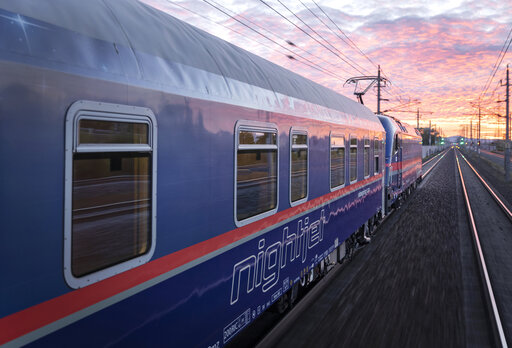
When European Sleeper emerged onto the scene a few years ago with glitzy social media adverts and a passionate belief in night trains, the railway public got excited. ÖBB was no longer the only company investing in night trains. An upstart start up believed they could enter the market. For consumers this meant the prospect of fare competition and choice of products. A capitalist dream. A couple of years into their operations European Sleeper are showing both the huge benefits new companies can bring into the rail world and the very significant challenges they face.
On the one hand, they have been successful in generating plenty of interest and their network keeps expanding. Overall their product is good - the trains are comfortable, staff are charming and there are plenty of options to choose from. We have enjoyed all our trips with them. Yes they may use old rolling stock, but it is basically just as comfortable as any older Nightjet train, and with routes like Milan-Brussels, they are opening up routes and therefore regions neglected by other operators. On the other hand, they have had to contend with extensive track works which have led to their trains being frequently delayed. This alongside their dynamic pricing and older stock has led to some people online viewing them with a certain amount of scepticism.
These issues show several of the key problems facing truly disruptive start-up open-access operators. The most significant hurdle any new operator in the railway world faces is the enormous amounts of capital required to make a railway company work. Almost all new operators use old rolling stock - from FlixTrain (in their infancy they took over Locomore, a true start up who had bought old DB carriages) to European Sleeper. This means they can keep costs down to some extent but for passengers it can mean a less comfortable journey (with little to no AC, old seats etc).
However cash is not just needed to buy or lease stock. You also need staff - and quite a lot of them - both on train and in head office functions to make a railway business work. Whether it is the regulatory standards for on board staff or the fact that a start up has next to no chance without a decent marketing department, investment in people means open-access companies need big pockets.
And then there are the track access charges, maintenance costs and other running costs which push the costs even higher. Start ups therefore need plenty of money behind them and they need to stem the flow of cash as quickly as possible. This means packing people onto trains as tightly as possible and using devices like dynamic pricing so that they can make as much money as possible on the busy days in order to offset their losses on the bad ones.
There are other issues facing new entrants to the market. Two relative success stories in Flixtrain and Regiojet show the value of being able to link their trains into bus networks. Other operators don’t have this luxury and consumers are probably more likely to stick with an established operator if they feel it will get them all the way to their destination or will be more helpful in the case of disruption. A few quid extra for peace of mind is money well spent for most travellers.
Price is tricky for newer companies generally. Some operators have fully committed to challenging the national or established companies on it. However this is not quite as straightforward as the airline price war which benefitted companies like Ryanair and Easyjet 20 years ago. The big operators already have some very cheap fares often subsidised by national governments. A passenger is therefore less likely to book with a newer outfit especially if they can be pretty sure the product itself is worse.
Furthermore, like with airlines, lots of railway companies now really make their money on dynamic pricing. They can offer a small number of very cheap fares but they have to limit this to cover the costs of travel. And on top of this, it has proved harder for rail companies to charge customers for significant extras, despite SNCF’s Ouigo doing their best to do so. Even if they can charge for extra baggage or better seats, there is a degree to which the railway travelling public will simply not accept as many limitations as they will on a budget airline. Indeed many are making an active choice to move away from Ryanair and co in order to use trains for exactly this reason.
All of this means that setting up a fresh company is difficult and extremely expensive. A company may have to invest tens of millions of pounds before they have a chance of even breaking even. For many investors, this is simply a risk not taking, and those that choose to commit need patience and passion for what they are doing. Westbahn was lucky to have wealthy Austrian financiers on its side early who wanted to challenge ÖBB’s monopoly for ideological as well as financial reasons.
Westbahn however also shows one of the most important aspects of modern open-access operation. SNCF, the French national operator, holds a considerable shareholding in the company. If you look around Europe at where open-access has been more successful, it is rarely with pure start ups nowadays. The established operators not only use their big pockets to run their own home networks but they are busy setting up new product lines such as SNCF’s Ouigo to scare the competition away. Ouigo is a great example of how a national operator can make this kind of transition work. Not only do they now have a huge proportion of the French market, their expansion into Spain has continued. This has come at considerable cost (estimates put it well north of €150m) but the stability provided by SNCF means these losses can be absorbed in a way no start up ever could.
In addition to this, they are often the people start ups ultimately look to sell to. Their experience, historical huge rolling stock investments and government backing means they are safe bets. From Westbahn to Leo Express (now owned by Renfe), this is becoming an established pattern.
What all of this really means is that while open-access has been very effective in challenging railway companies, they are often the long term beneficiaries. They can offer the “safe” default option for passengers while at the same time buying up successful start ups once a concept has been proven. With big announcements from national operators coming up every few months such as Trenitalia’s new forays into Germany and the Channel Tunnel, it looks like the trend is set to continue. The only really sure fire way to make the open-access model work is to have the clout and big pockets that national operators have.
Oh and by the way. Regiobahn is the wrong one out - it is a type of Deutsche Bahn train not an operator.
The Summer 2026 edition of the European Rail Timetable is available in print and digital formats and is the perfect partner to our Rail Map Europe. Order here.
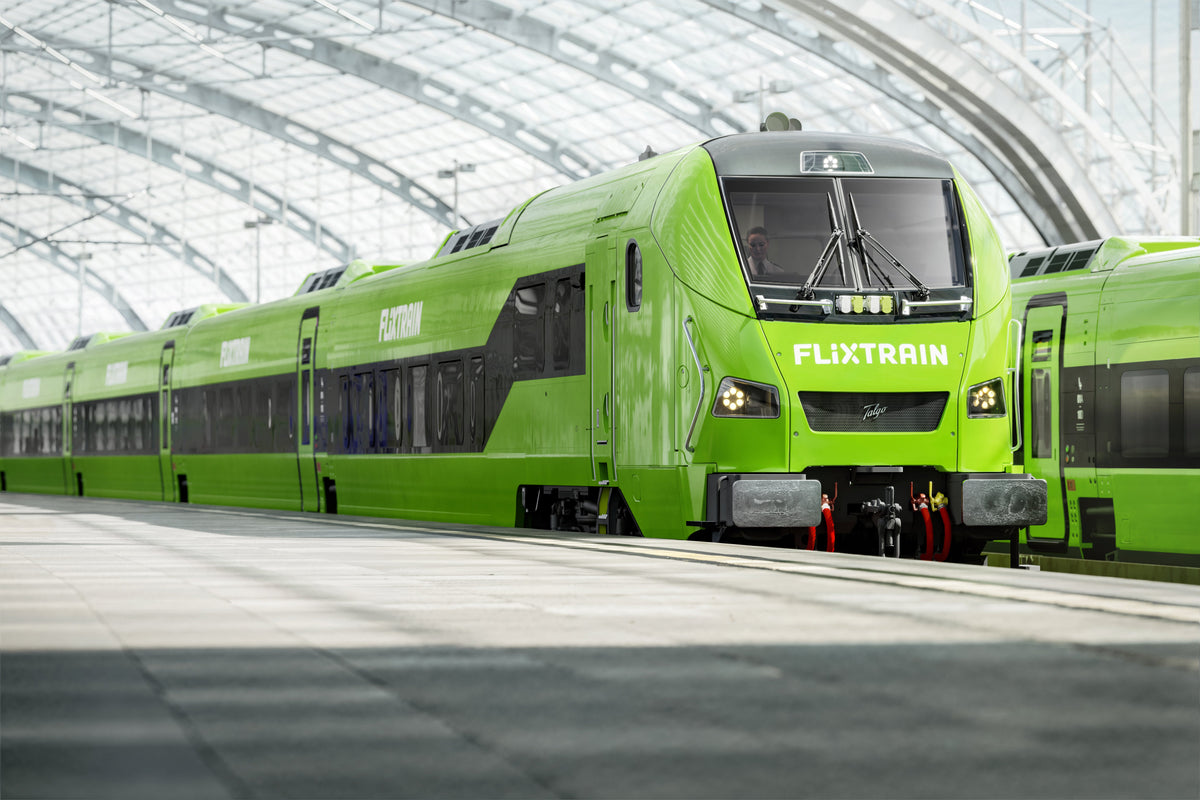
Image copyright and courtesy of Flix.