Why Take One Day When You Can Take Two? Rethinking long-distance rail journeys
Journey planners have become remarkably good at answering one simple question: what's the fastest way to get there? Whether you're travelling across your own country or across Europe, they'll usually produce an itinerary that gets you to your destination in the shortest possible time. Leave early enough, make the right connections and you can cover extraordinary distances in a single day. For many journeys, that's exactly what you want. But holidays are different. The fastest journey isn't always the best journey.
Travel Is Tiring
We often underestimate how tiring a long day of travel can be. It's easy to look at a timetable and see nothing more than eight or ten hours between departure and arrival. In reality, there's much more involved. Early alarms, carrying luggage, finding platforms, making connections and simply concentrating on where you're supposed to be all take their toll. By the time you finally arrive, particularly after a full day crossing several countries, you may be too tired to do anything except find your hotel and go to bed. If that's how your holiday begins, is arriving a day earlier really an advantage?
There Is No Prize for Arriving First
Modern travel encourages us to think that quicker is always better. Railways celebrate reduced journey times. Airlines compete to shave minutes off flight schedules. Journey planners naturally place the earliest arrival at the top of the list. But unlike a business trip, a holiday doesn't always have a finishing line. Taking an extra day to reach your destination isn't necessarily wasting time. It may simply mean enjoying the journey instead of enduring it.
The Railway Gives You Choices
One of the great pleasures of travelling by train is its flexibility. Unlike flying, rail journeys don't have to be completed in one continuous push. You can stop wherever you choose, spend the night and continue the following morning. You might even decide that two days isn't enough. Perhaps there's a city you've always wanted to explore for an afternoon, or somewhere you've only ever passed through while changing trains. Rail travel makes it remarkably easy to turn those places into part of the journey rather than simply somewhere seen through a station window. The destination hasn't changed. But the journey has become richer.
Sleeper Trains Aren't the Only Answer
Sleeper trains remain one of Europe's great railway experiences, and for many travellers they're the perfect solution to covering long distances. But they're not for everyone. Some people sleep soundly on trains. Others hardly sleep at all. Some enjoy the unique atmosphere of a sleeping car or couchette, while others simply prefer a proper night's sleep in a hotel before continuing their journey the next morning. The important point is that there isn't a right answer. Breaking a journey over two days can often be just as enjoyable as travelling overnight.
Slowing Down Can Sometimes Cost Less
Travelling more slowly can occasionally bring unexpected advantages. Giving yourself more time may allow you to avoid trains where reservations are compulsory, choose routes with cheaper fares or make greater use of regional services and local rail passes. The quickest route is not always the most economical, and a little flexibility can sometimes produce surprising savings. Even when an overnight stay is added into the calculation, the difference may be much smaller than many people expect.
The Journey Becomes Part of the Holiday
Perhaps that's the biggest difference. Instead of treating travel as something to get through as quickly as possible, the journey becomes part of the holiday itself. The stations you visit, the landscapes outside the window and the places where you choose to pause all become part of the experience. You begin to notice things you might otherwise have missed. You arrive more relaxed. And you remember far more than simply the time you reached your destination.
Why Take One Day When You Can Take Two?
There will always be journeys where arriving as quickly as possible is the right choice. But if you're travelling for pleasure rather than necessity, it's worth asking a different question. Not how quickly can I get there? but how would I most enjoy getting there? Sometimes the answer will still be one day, sometimes it might be two and occasionally it could even be three. After all, one of the greatest strengths of travelling by rail is that it allows you to travel at your own pace. And perhaps that's something worth celebrating.
The Summer 2026 edition of the European Rail Timetable is available NOW in print and digital formats and is the perfect partner to our Rail Map Europe.
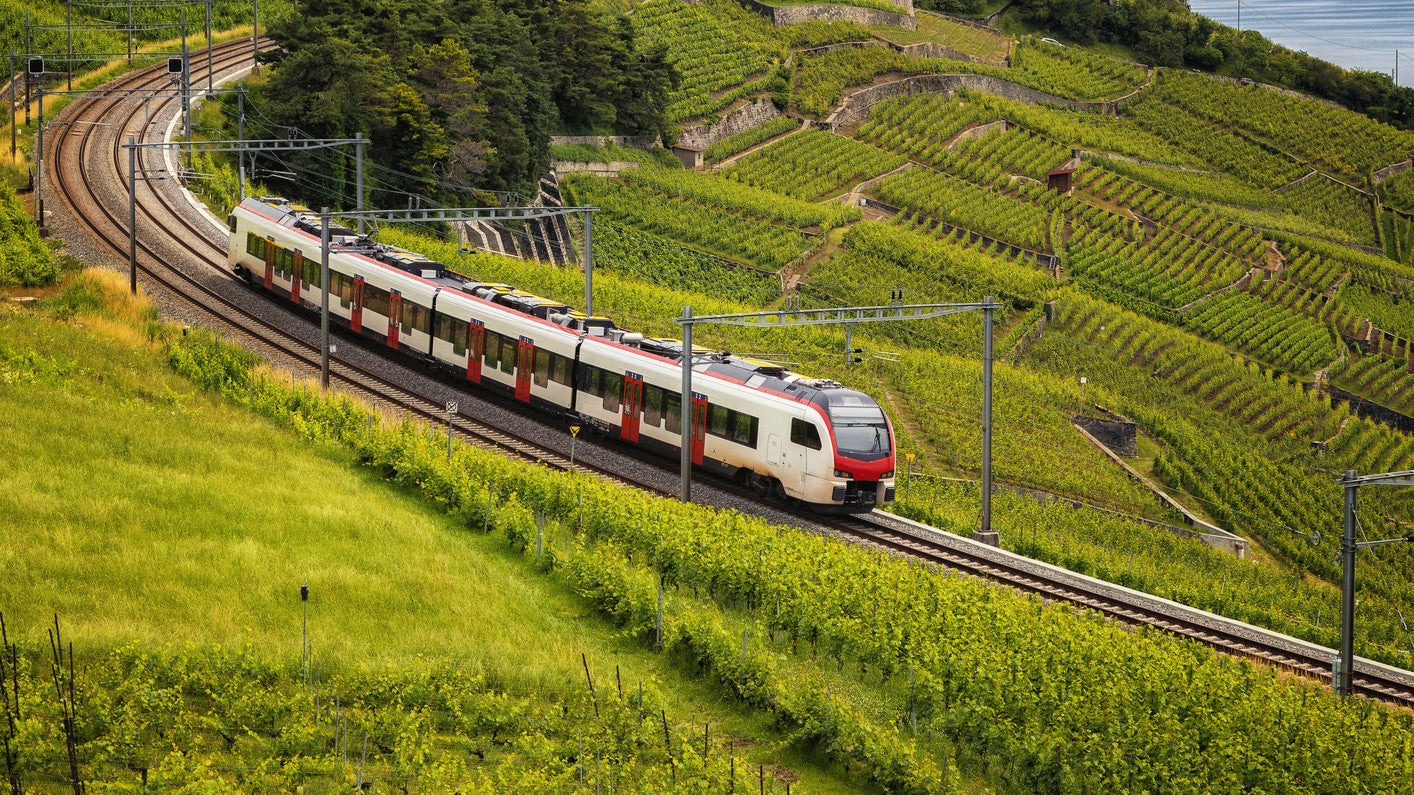
Photo ID 229937433 © Santiago Leonardo. Dreamstime.com