Germany’s new long-distance timetable comes into force on December 14, bringing one of Deutsche Bahn’s most substantial rounds of improvements in recent years. The focus is clear: more frequent service on core corridors, faster Sprinter links, expanded international reach and the first regular use of the new ICE L.
Half-Hourly Network Nearly Doubles
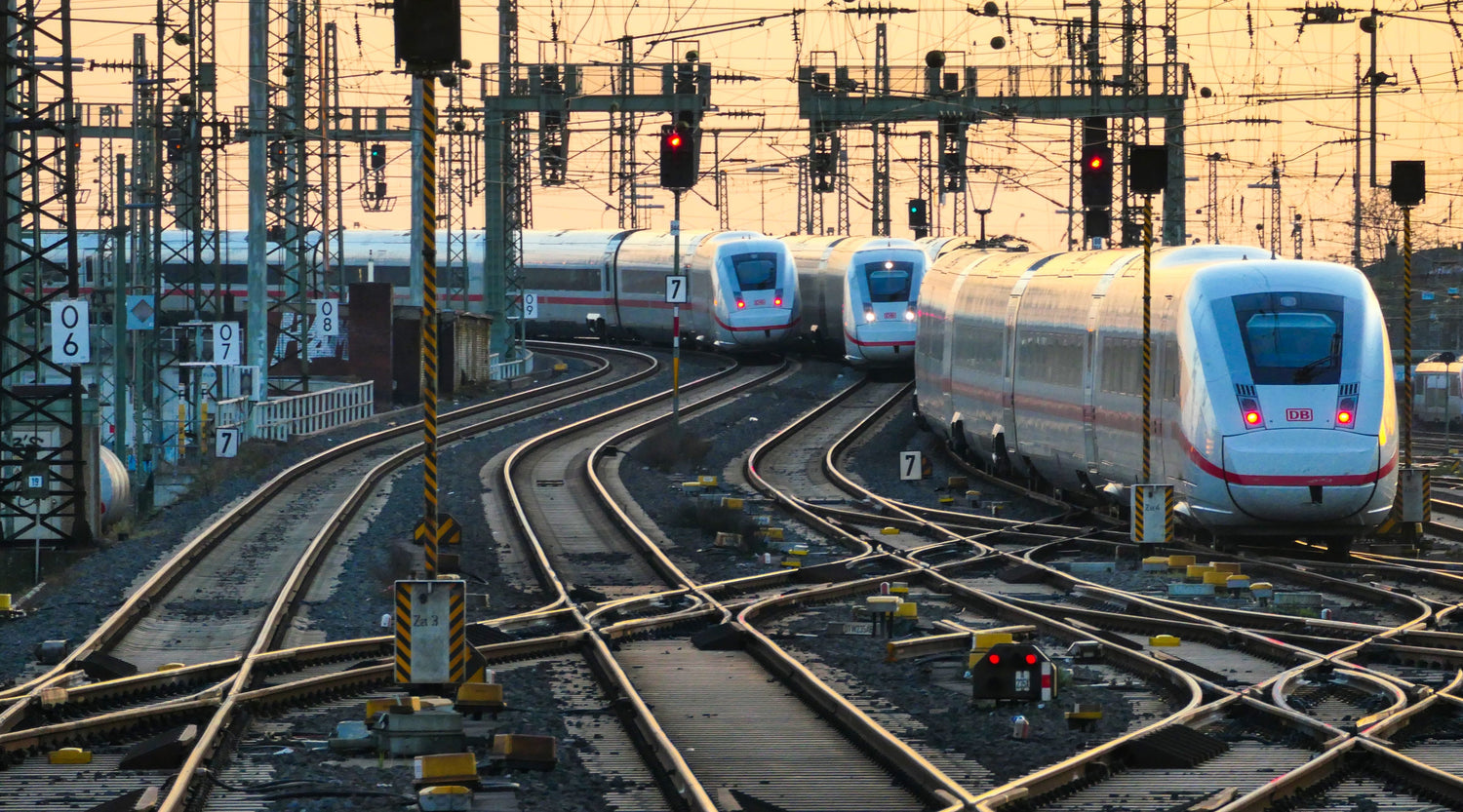
DB is dramatically enlarging the portion of the network where ICE trains will run every 30 minutes. From December 14, 21 cities will enjoy half-hourly long-distance service—almost double today’s number. This expanded pattern now stretches to roughly 2,300 kilometres of routes, including the key Hamburg–Hannover–Kassel and Erfurt–Halle–Berlin corridors.
DB says the aim is to make long-distance travel feel more like an S-Bahn-style turn-up-and-go product on the nation’s busiest axes.
Sprinter Expansion and a New Berlin–Stuttgart Record
Fourteen additional Sprinter services strengthen the Hamburg–Frankfurt and Berlin–München corridors. A standout is the new Berlin–Stuttgart Sprinter via Nürnberg: with a journey time of about 4 hours 45 minutes, it cuts more than an hour from today’s timings and sets a new record between the two cities.
Big Year for International Travel
Cross-border demand continues to rise sharply, and DB is responding with around 40 new or extended international trains each day. Highlights include:
- A new EuroCity Leipzig–Kraków, with timed connections to and from Frankfurt.
- More fast direct services from North Rhine–Westphalia to Zürich, Chur and a full reconnection to Brig.
- Up to four extra Hamburg–København trains per day thanks to the new Praha–København through service, launching in May 2026.
- From September 2026, four daily ICE trains Köln–Antwerpen, serving Brussels Airport—its first connection to the ICE network.
A More Systematic Long-Distance Network
DB is also simplifying its long-distance structure: more consistent route patterns, standardised stopping plans, and reduced reliance on train splitting, which has proved vulnerable to delay. Some direct journeys will disappear, but the operator argues the overall result will be a more stable and predictable system. Kiel, for example, moves to a regular two-hourly pattern towards Hannover, Frankfurt and Stuttgart.
New ICE L Enters Service
The new ICE L fleet makes its debut on the Berlin–Köln route, offering low-floor, fully accessible boarding. After the Hamburg–Berlin corridor reopens on May 1, the ICE L will extend to Westerland, and later to routes from Köln, Frankfurt and Dortmund, plus the scenic link to Oberstdorf.
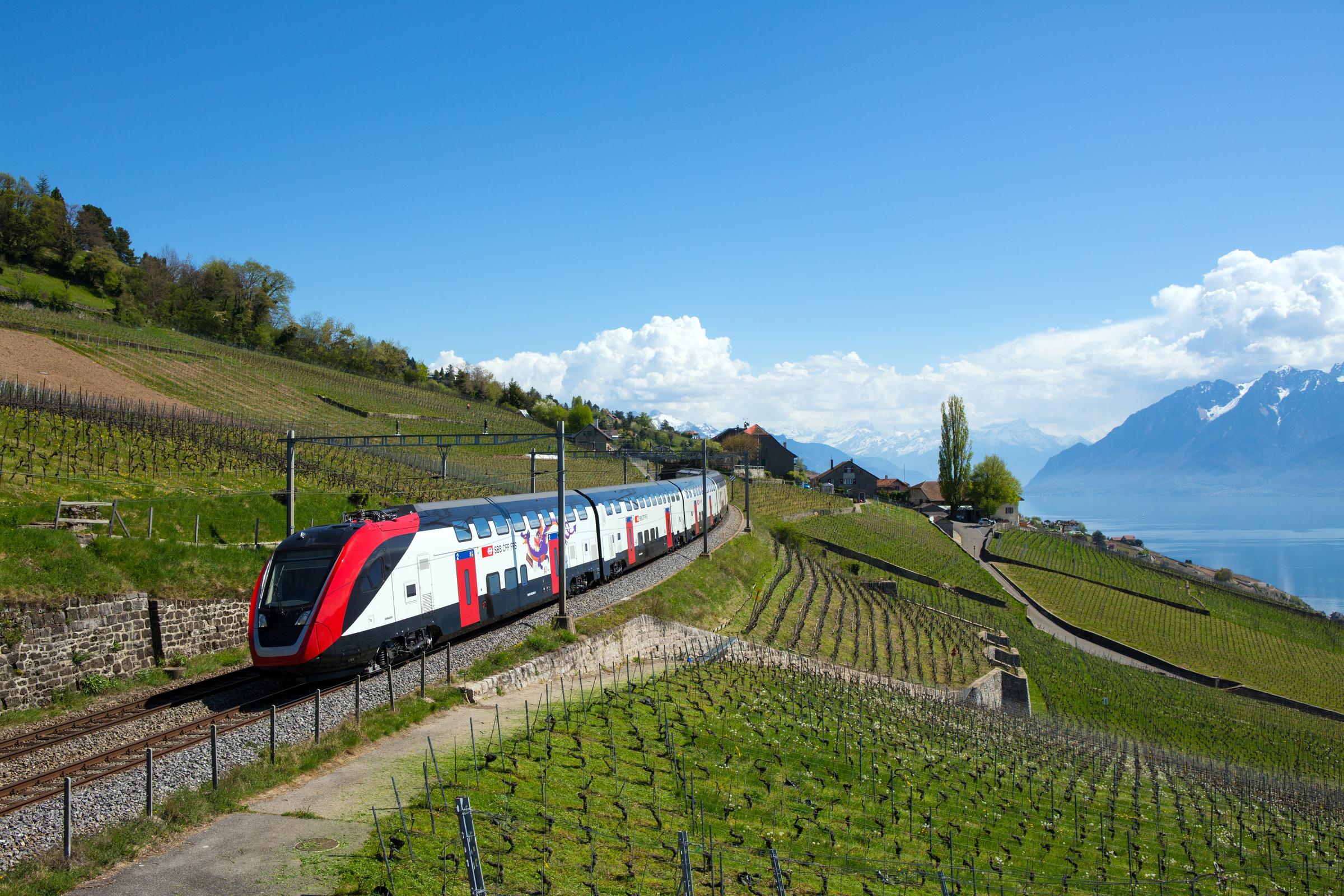
International partners will also introduce new stock: Czech ComfortJet sets, Danish Talgo trains and SBB’s Giruno, bringing a broadly harmonised high-speed experience across borders.
Booking International Journeys Becomes Easier
In a major stride for ticketing, DB customers can now book not just ÖBB and SBB services, but also French TGVs and Eurostar, directly via bahn.de and DB Navigator. This includes through-tickets such as Frankfurt–London or Paris–Marseille.
By the end of 2026, DB aims to sell tickets from all major neighbouring operators through its own channels, thanks to the OSDM standard. Travellers will benefit from clearer pricing and the ability to store and manage all tickets in one account.
Construction Works Continue
Despite the wider improvements, general renovations remain a defining feature of 2026. The Hamburg–Berlin rebuild continues until the end of April, with journey times roughly 45 minutes longer. Other major works affect the Wupper corridor, the Nürnberg–Passau line and the right-bank Rhine route.
Photo copyright and courtesy of Deutsche Bahn AG / Volker Emersleben.