GoVolta doubles down on Berlin as Hamburg trains axed
Dutch open-access operator GoVolta is expanding its Amsterdam – Berlin service while withdrawing entirely from the Hamburg market after just a few months of operation.
The private operator launched in March with three return services a week to both Berlin Gesundbrunnen and Hamburg-Harburg. However, strong demand for Berlin and weaker-than-expected bookings to Hamburg have forced a rethink of the company’s strategy.
GoVolta co-founder Hessel Winkelman said trains to Berlin have been consistently full, carrying around 600 passengers per trip, while Hamburg services were averaging roughly 60 per cent occupancy. From July, the operator will run to Berlin six days a week, with no service on Tuesdays.
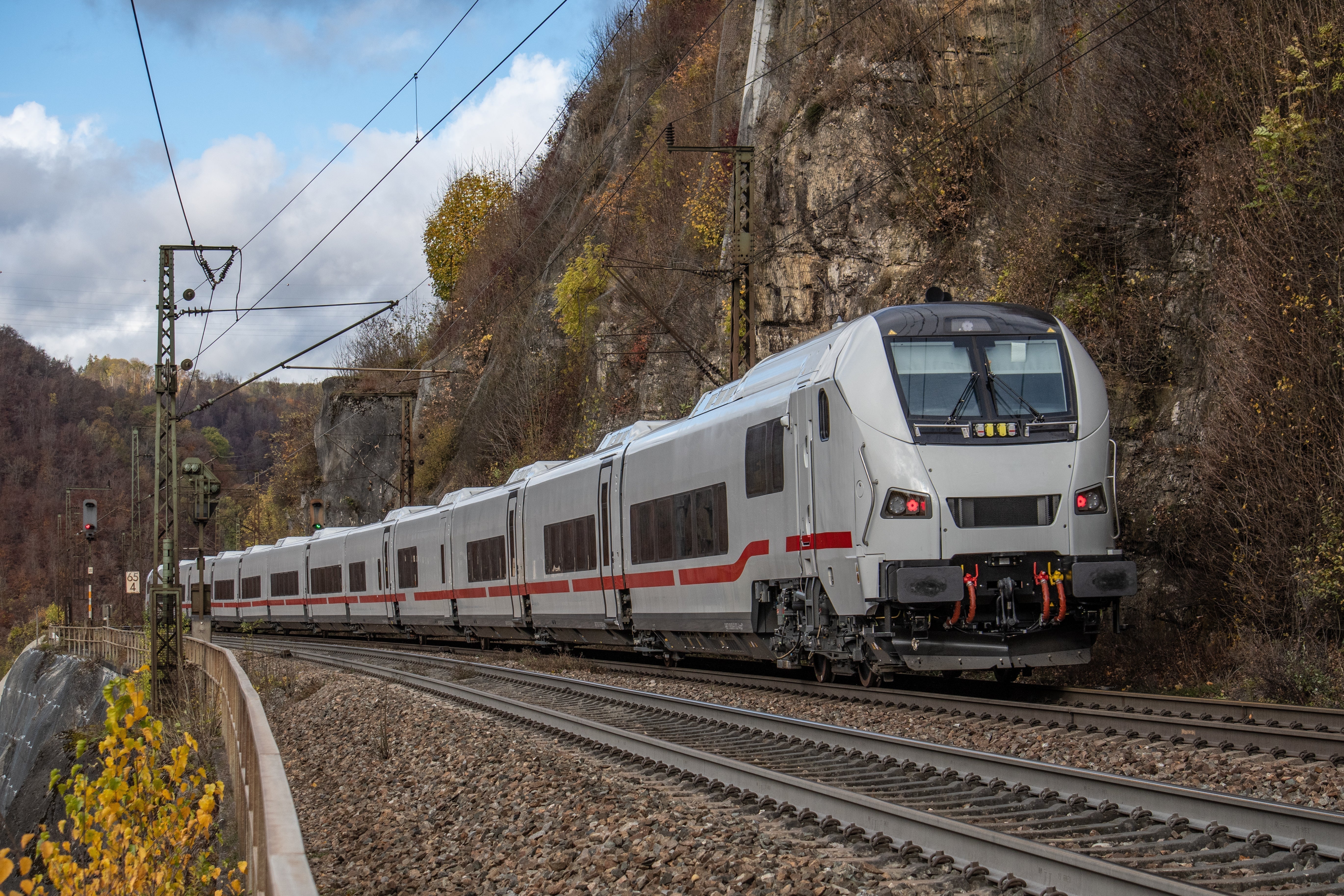
Winkelman said reduced capacity on the Amsterdam – Berlin corridor had helped drive demand. Since NS International and Deutsche Bahn replaced Intercity trains with lower-capacity ICE units, seats on the route have become harder to secure. Further engineering works next year are also expected to divert DB’s ICE services via Hamburg, potentially giving GoVolta a faster route into Berlin via Magdeburg and Braunschweig.
Services to Hamburg will be reduced from mid-May before ending completely in June. Passengers with existing bookings will be carried by replacement coaches until the summer.
The withdrawal is also linked to the collapse of a planned partnership with Keolis. The operator had been due to provide trains and crews for GoVolta, but withdrew shortly before launch after certification issues in Germany emerged. GoVolta instead turned to Train Charter Services to operate its trains.
Despite the Hamburg retreat, GoVolta says plans for its Amsterdam – Paris service remain on track, with ticket sales expected to begin later this month ahead of a December launch.
Scandinavia gains new direct rail links to Central Europe
A pair of new international rail services launched over the May Day weekend is strengthening links between Scandinavia and mainland Europe, improving both connectivity and journey convenience.
From May 1, a new direct service has begun linking Praha, Berlin and København, creating a through connection between the Czech Republic, Germany and Denmark. Operated in cooperation with České dráhy and partners, the train runs daily and eliminates the need to change trains en route — a long-standing inconvenience on this corridor.
The service runs via Hamburg, further enhancing connectivity between Central Europe and Scandinavia. While journey times remain relatively long compared to air travel, the introduction of a direct train significantly improves the attractiveness of rail by simplifying the overall journey.
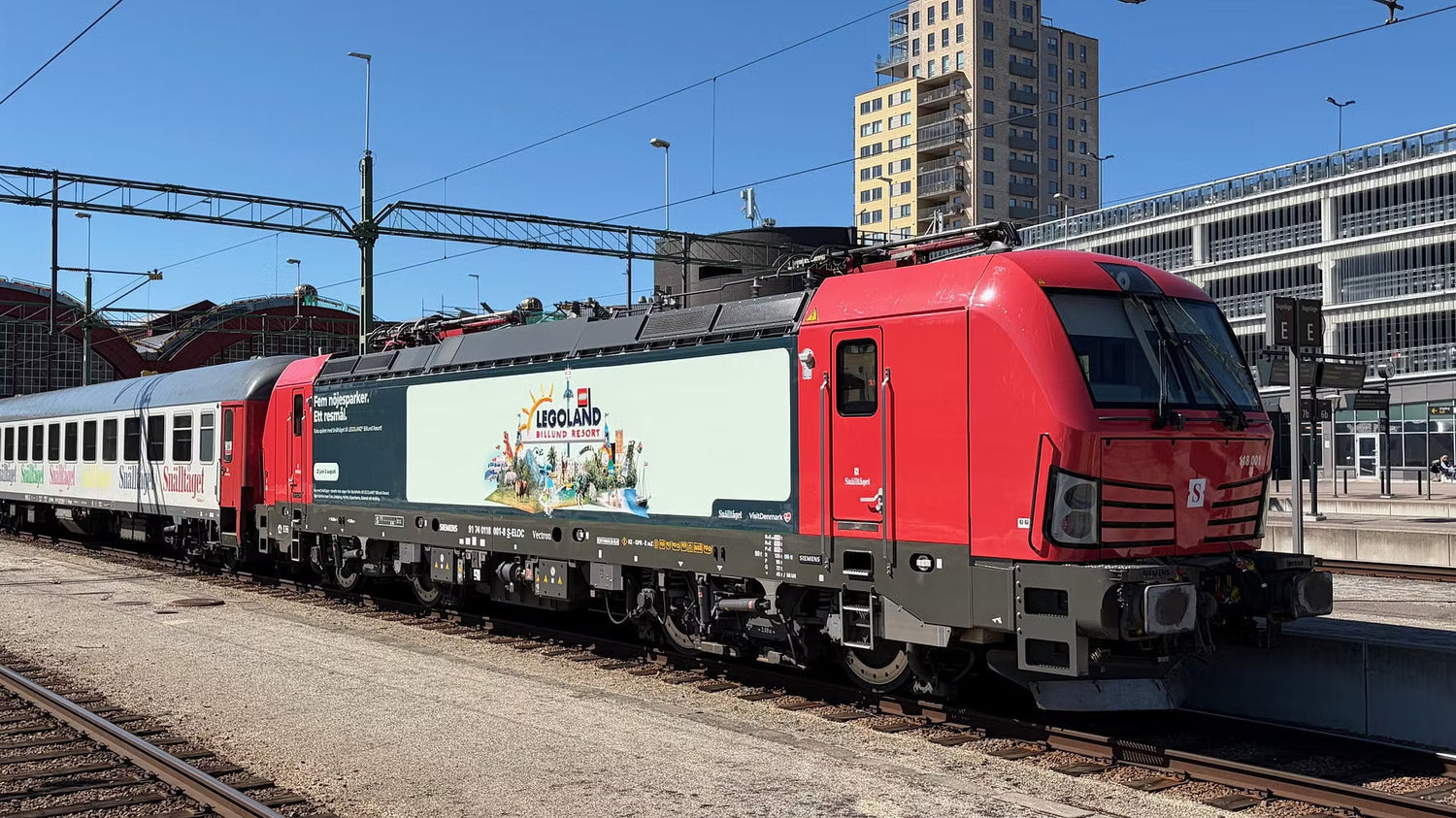
Just days later, on May 4, Swedish open-access operator Snälltåget launched a new direct daytime service linking Hamburg, København and Stockholm. Running daily in both directions, the train provides a same-day connection between Germany and Sweden without the need to change in either København or Malmö.
The route includes intermediate stops such as Odense and Kolding, improving access across Denmark while also strengthening north–south links through the country. Crucially, the new service complements existing overnight trains between Sweden and Germany, giving passengers the choice between daytime and night-time travel options.
Together, these two launches mark a meaningful step forward for international rail in northern Europe. By removing interchange barriers and introducing more direct services, operators are making rail a more competitive option on routes traditionally dominated by aviation.
København continues to establish itself as a key gateway between continental Europe and Scandinavia, while Stockholm gains a more straightforward connection to the European rail network. At the same time, improved links via Berlin and Hamburg reinforce those cities’ roles as major rail hubs.
While infrastructure works and capacity constraints still pose challenges in parts of the network, the direction of travel is clear. Incremental improvements such as these — direct services, better timetabling and increased choice — are gradually rebuilding a more coherent and passenger-friendly international rail system across Europe.
Our cover photo this week is courtesy of Snälltåget.