Swiss draft 2027 timetable unveils new international links
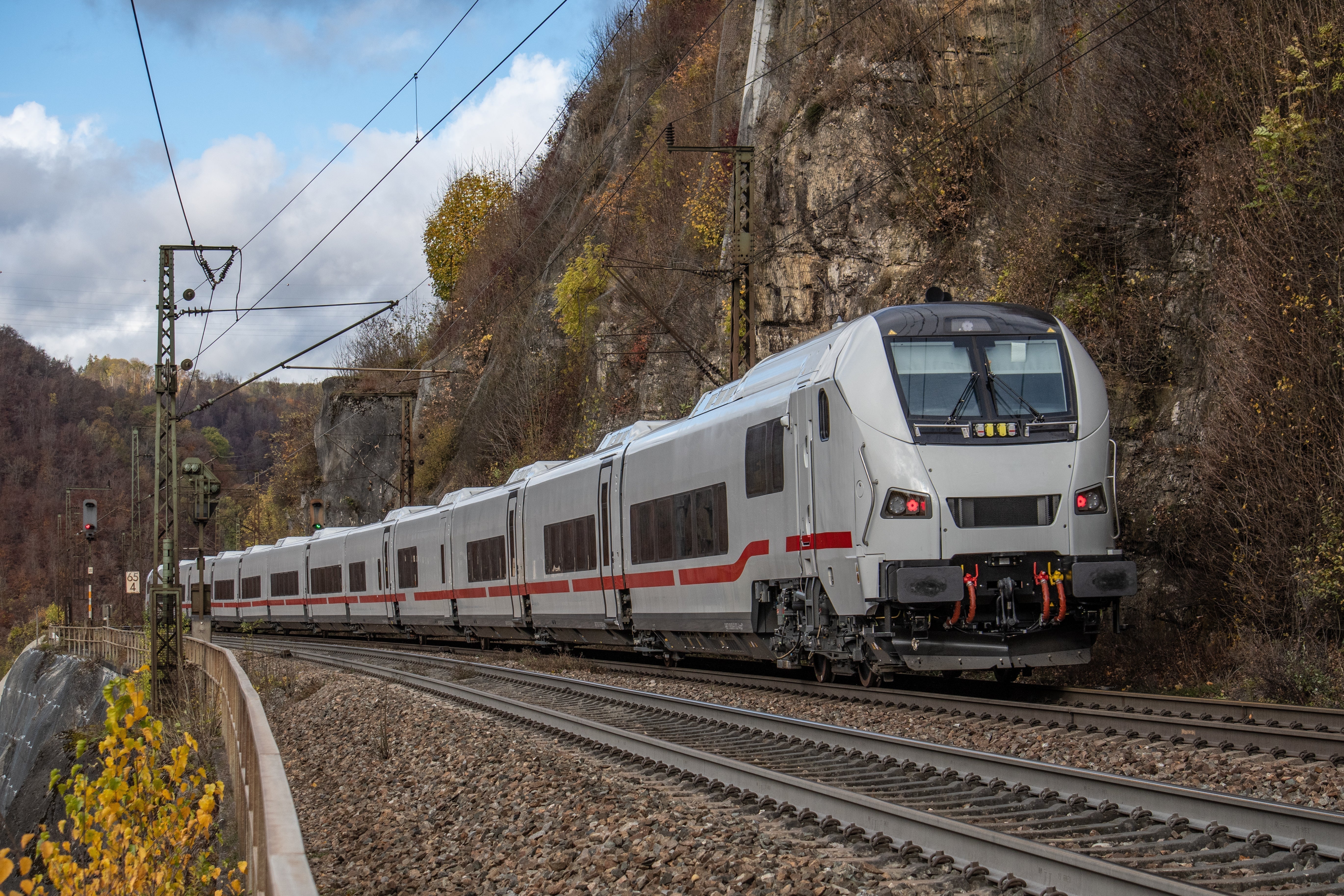
The Swiss railways are famously efficient — and that extends well beyond day-to-day operations. While many countries are still finalising next year’s schedules, Switzerland has already published its draft 2027 timetable, outlining the changes planned from December 13, 2026.
The proposed “Roadmap 2027” timetable focuses on targeted improvements for both commuters and leisure travellers, with particular attention given to international services and overnight travel.
One of the most significant changes is the expansion of direct services between Switzerland and Italy. Travellers will benefit from two daily direct trains each way between Zürich and Venezia, doubling the current provision. A former Zürich–Lugano service will now continue through to the Venetian lagoon city.
Elsewhere, the current Basel–Luzern–Milano service will terminate at Lugano because of limited capacity on the route south of the Alps. However, the direct Milano–Basel service via Luzern will remain. The Zürich–Firenze train will in future terminate at Bologna, although summer extensions to Rimini will create a new direct link to Italy’s Adriatic coast. Services to La Spezia via Genova will also become daily throughout the year.
Connections to France are also set to improve. From April 5, 2027, three daily TGV services in each direction between Lausanne, Genève and Paris will return. A new SNCF TER connection between Genève and Lyon will also reduce journey times by around ten minutes.
In Germany-bound traffic, additional timetable margins are planned on Zürich–Stuttgart IC services in an effort to improve punctuality.
Night travel continues to be a major growth area. The new-generation Nightjet trains are expected to begin operating on the Zürich–Amsterdam route, complementing their introduction on services to Hamburg and Wien.
Domestically, SBB plans a trial overnight IRN3 service between Zürich HB and Chur at weekends, aimed at both leisure travellers and early-morning airport passengers. Existing overnight services to Genève-Aéroport and Zürich Airport are also expected to continue following strong passenger demand.
MÁV revives nostalgic Adriatic night train for summer 2026
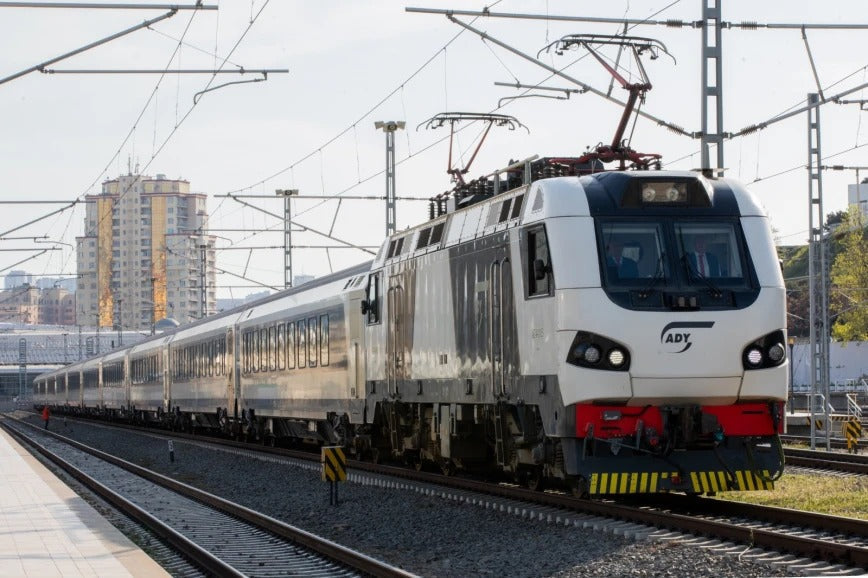
MÁV is bringing back its popular Retro Istria Express night train this summer, once again linking Budapest with destinations along the Slovenian and Croatian Adriatic coast.
The seasonal overnight service will run daily from June 26 until August 30, offering travellers an alternative to busy summer roads and growing demand for affordable international rail travel. Departing each evening from Budapest Keleti station, the train will call at destinations including Székesfehérvár, Veszprém, Ajka and Zalaegerszeg before reaching Ljubljana in the early morning.
From there, the train continues towards the Adriatic, serving Koper, Opatija-Matulji and Rijeka directly, while connections will also be available to destinations such as Pula and Trieste. Passengers heading to the island of Krk will be able to continue by local bus services.
MÁV is heavily promoting the service’s nostalgic appeal, with rolling stock dating from the 1970s and 1980s retained in a condition close to their original appearance. The operator describes the experience as a “time-travel journey to the sea”, combining traditional compartment coaches with couchette and sleeping car accommodation.
Tickets start from EUR 20 to destinations including Koper and Postojna, while fares to Rijeka and Pula begin at EUR 25. Ljubljana tickets are available from EUR 16, and children can travel for a flat EUR 5 fare. Interrail passholders will only need to pay a small reservation supplement.
The Retro Istria Express complements MÁV’s existing Adria InterCity service to Split, giving passengers another rail-based option for reaching the Adriatic coast during the busy summer season.
Avanti West Coast to Reduce Services on Key Routes This Summer
Avanti West Coast is to reduce services on some of its busiest routes this summer after being asked by the government to help cut rail spending. The operator confirmed that around 38 weekday services will be removed between July 20 and August 28, affecting trains from London Euston to Birmingham, Liverpool and Manchester via the West Coast Main Line.
The temporary reductions amount to roughly one in seven services on the affected routes. Avanti said the cuts would mainly target quieter periods of the day where more than one train per hour continues to operate, allowing passengers to use alternative departures with minimal disruption.
According to the operator, the changes were proposed in response to a request from the Department for Transport to reduce expenditure at a time when summer passenger numbers are typically lower. The DfT said the amended timetable would save taxpayers money while still providing enough capacity to meet demand.
Avanti stressed that the move is not linked to staffing shortages or operational difficulties, unlike the major timetable reductions introduced during the industrial disputes of 2022. The company also noted that it has increased capacity beyond pre-pandemic levels in recent years.
The announcement comes amid continuing debate over railway finances and the future structure of Britain’s rail industry. Government support for the railways remains significantly above pre-Covid levels, while operators working under management contracts continue to have their finances closely controlled by the DfT ahead of eventual transfer into public ownership.
Flying Scotsman Returns to Historic Timings On LNER
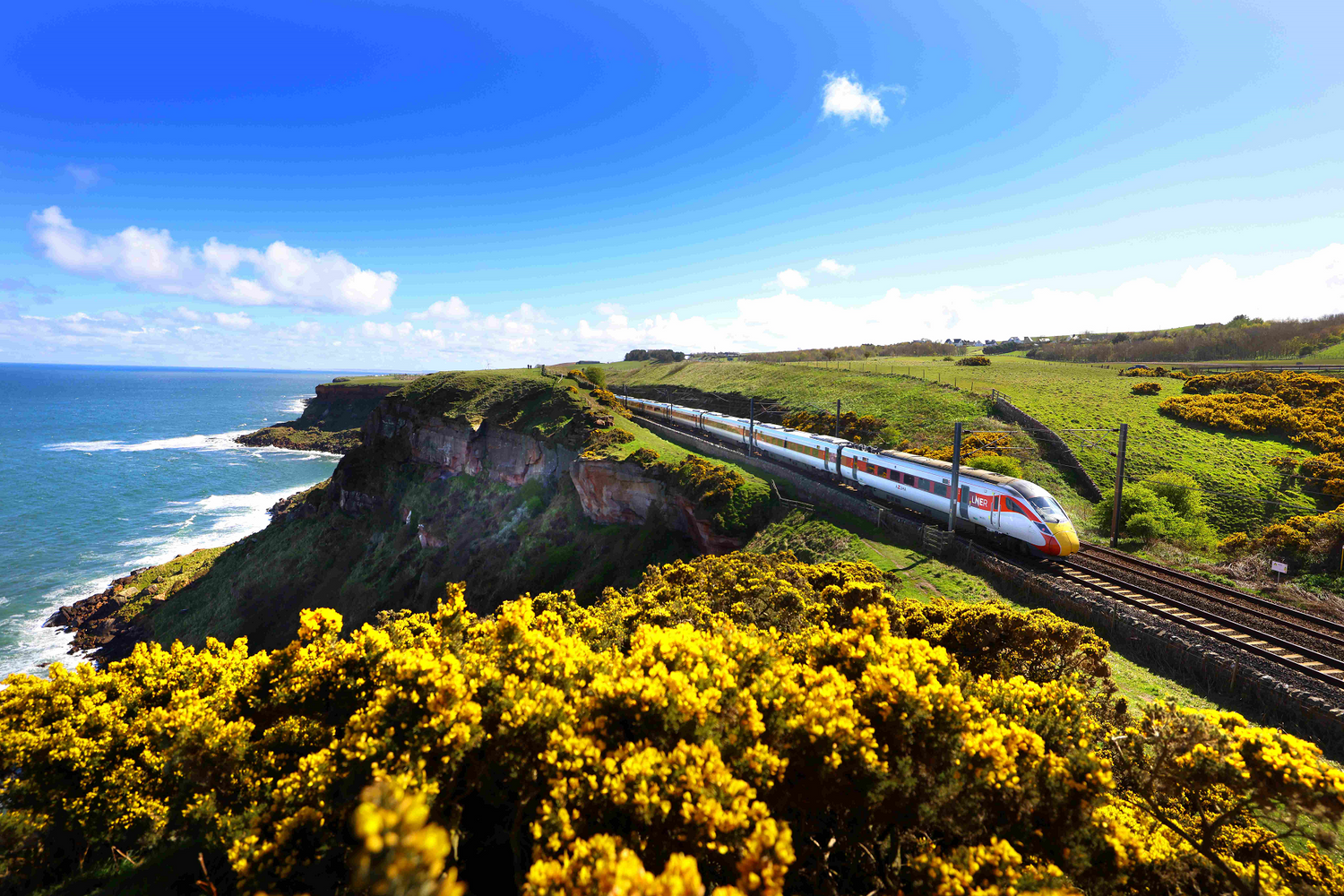
The famous Flying Scotsman services between Edinburgh Waverley and London King’s Cross have returned to their historic mid-morning departure times following the introduction of LNER’s revised East Coast timetable.
From today, Monday 18 May, southbound services once again depart Edinburgh at 10:00, while the northbound counterpart leaves London King’s Cross at 10:30. The relaunch was marked with celebrations at both stations, featuring performances by Scottish Celtic rock band The Red Hot Chilli Pipers alongside traditional dancers and pipers welcoming passengers aboard.
The timetable changes follow the introduction of a major industry-wide recast in December 2025, which brought faster journey times and significantly increased capacity on the East Coast Main Line. LNER says the revised timetable has added 10,000 extra services annually and around 60,000 additional seats each week.
The Flying Scotsman has remained part of the timetable in recent years, but the southbound train had operated as an early morning departure from Edinburgh, leaving before 06:00, while no equivalent northbound service existed. The return to mid-morning timings is intended to reflect the train’s historic role more closely.
The Flying Scotsman service dates back to 1862 and officially adopted the famous name in 1924. Its simultaneous 10:00 departures from Edinburgh and London became synonymous with prestige rail travel, although journeys then took almost twice as long as today’s four-hour-and-ten-minute timings aboard modern LNER Azuma trains.
Passengers on the inaugural services were also treated to a Scottish-themed First-Class menu featuring haggis pie, cranachan, shortbread and tablet.
Photo courtesy of LNER.