Leo Express to Operate Frankfurt–Przemyśl Entirely by Rail from July 31
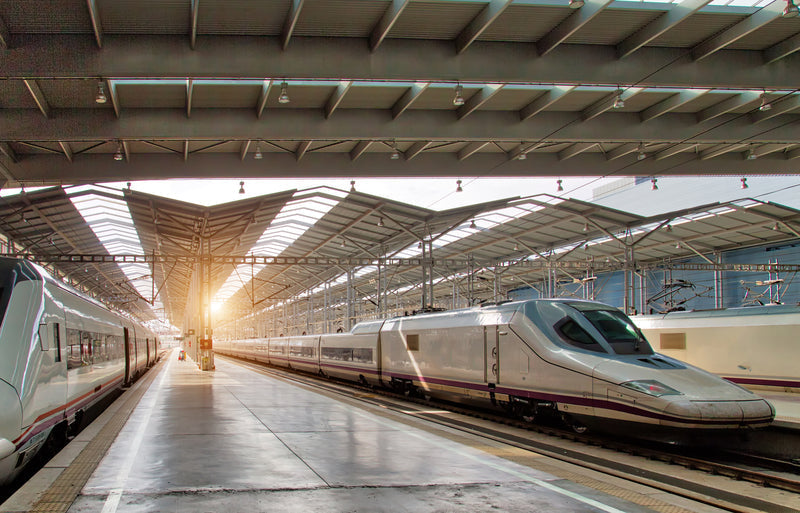
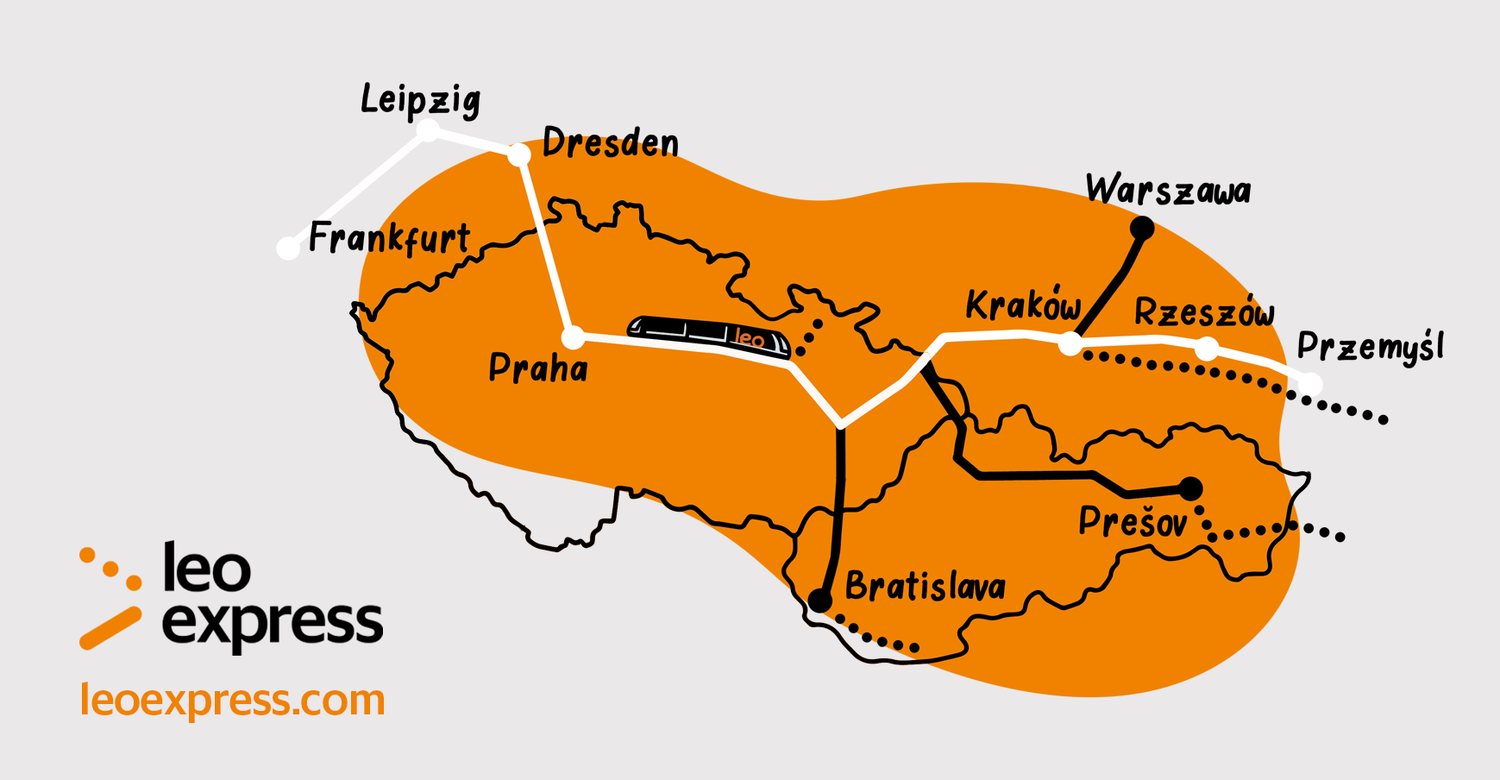
Leo Express will begin operating its Frankfurt–Praha–Przemyśl service entirely by rail from July 31, following the resolution of the issues that had prevented trains from running through Poland since the route was launched last month.
When the service began on June 25, trains operated between Frankfurt and Bohumín, with replacement buses used onwards to Przemyśl while an economic balance test requested by PKP Intercity was carried out. With that process now resolved, passengers will once again be able to travel by train for the full length of the route.
The restored service will call at a number of stations across southern Poland, including Kraków Główny, Rzeszów Główny and Oświęcim, before reaching Przemyśl, an important gateway for rail travel to Ukraine.
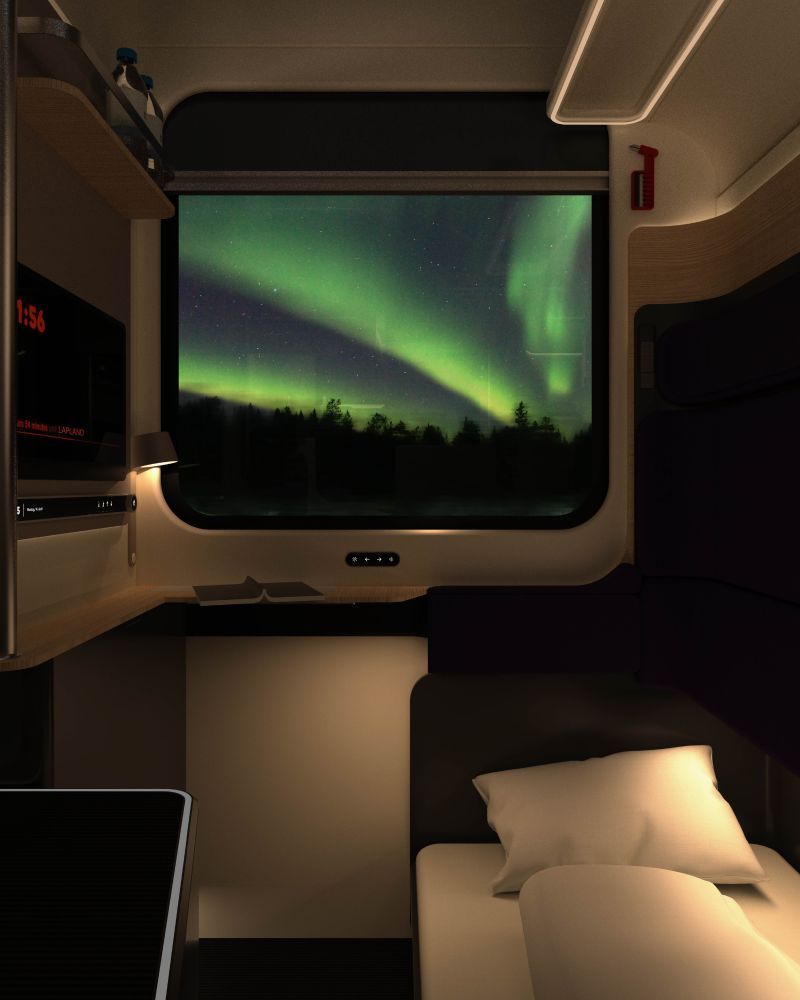
From the same date, Leo Express will also introduce Economy Sleeper couchette accommodation throughout the route between Frankfurt and Przemyśl. The couchette cars offer compartments for one to four passengers, with air conditioning, Wi-Fi, power sockets and breakfast included in the fare.
For the time being, tickets for the Polish section of the route are on sale until August 29, when Poland's current timetable period ends. Leo Express says sales for later dates will be released during August, while tickets for journeys between Frankfurt and Bohumín are already available until December 12.
The overnight service forms part of Leo Express's continuing expansion of its international network, providing a direct rail link between Germany, The Czech Republic and south-eastern Poland.
Image courtesy of Leo Express.
Deutsche Bahn to Ban Alcohol Consumption at All Stations
Deutsche Bahn (DB) is to introduce a nationwide ban on the consumption of alcohol at all of its railway stations, with the new rules due to be in place across Germany by October 15.
The measure will be introduced gradually at around 5,400 stations and follows what DB says is a growing link between alcohol consumption and violent incidents. The announcement comes just days after a serious assault at a German station, which DB cited as reinforcing the need for tougher measures.
Around 30 stations, including Köln Hbf, München Hbf and Hamburg Hbf, already have alcohol bans in place. DB says experience at these locations has shown reductions in both violent behaviour and litter.
The next stations to introduce the ban will be Berlin Hbf, Berlin Gesundbrunnen, Kiel Hbf and Braunschweig Hbf from September 1, with the remaining stations following by mid-October.
The ban applies to the consumption of alcohol within station premises but does not affect licensed cafés, bars or restaurants. Passengers will also still be permitted to carry sealed alcoholic drinks in their luggage or shopping.
Anyone found breaching the new rules may be removed from the station, while repeat offenders could face a station ban.
Austria and Italy Connected as Brenner Base Tunnel Reaches Major Milestone
Construction of the Brenner Base Tunnel has reached another major milestone, with the simultaneous breakthrough of both main tunnel bores beneath the Austrian–Italian border.
The breakthrough took place on July 28, when excavation teams working from opposite sides of the Alps removed the final metres of rock separating the Austrian and Italian sections of the tunnel. The achievement links the Austrian Pfons–Brenner section with the already completed Italian Mules 2–3 section, creating continuous cross-border connections in both main tunnels around 1,400 metres beneath the Brenner Pass.
The milestone follows the breakthrough of the exploratory tunnel in September 2025 and marks the first time the two main railway tunnels have been connected between Austria and Italy.
The project also highlights the different engineering techniques used on each side of the border. The Italian sections were excavated using tunnel boring machines, while the Austrian side was driven using conventional drill-and-blast methods.
Work will now continue towards Innsbruck, where tunnel boring machines will complete the remaining sections of the main tunnels. Once finished, the 55km Brenner Base Tunnel will become the world's longest underground railway link, significantly increasing capacity for both passenger and freight traffic through the Alps while reducing journey times between Austria and Italy.
The Brenner Base Tunnel forms the centrepiece of the Scandinavian–Mediterranean TEN-T corridor and is one of Europe's largest railway infrastructure projects.
The Summer 2026 edition of the European Rail Timetable is available NOW in print and digital formats and is the perfect partner to our Rail Map Europe.